
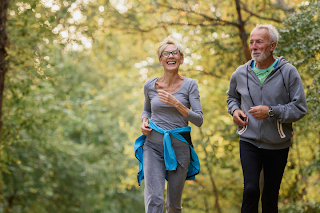
Our health needs shift as we progress from childhood through adulthood and into older years. What supports a child’s coordination and energy may not meet an adult’s strength goals or an older adult’s balance and mobility. Recognizing these changing requirements is the first step toward lasting wellness.
In this guide, you will discover science-based strategies to improve health and overall wellness at every life stage. Learn how to:
• Tailor physical activity for growth, strength, balance, and mobility
• Build a nutrient-dense diet that meets age-specific needs
• Strengthen mental health through stress relief and social engagement
• Use preventive care and screenings to catch issues early
• Master sleep hygiene for restorative rest
• Apply lifestyle medicine principles for lasting change
• Leverage technology and community support for motivation
Ready to learn how to improve your health with practical, stage-specific steps? Let’s begin by tailoring physical activity to your life stage.
1. Tailoring Physical Activity to Your Life Stage
Adjusting exercise to fit developmental and aging factors can improve health outcomes and show you how to improve health over time.
Childhood and Adolescence
Active play in middle childhood improves coordination and builds endurance. Walking, biking, swimming, skating, and dancing develop motor skills and set the stage for lifelong habits. Physical education classes also introduce teamwork and sports rules.
When outdoor time is limited, families can bring activity indoors with soft equipment for modified basketball, bowling, or darts. Adding simple calisthenics, aerobics, or dance breaks keeps kids moving. Limit screen time to two hours daily and schedule fun active sessions with positive feedback to encourage healthy routines.
Young and Middle Adulthood
Strength Training
Adults can improve health by including two to three strength-training sessions per week. Focus on major muscle groups with exercises such as squats, push-ups, lunges, and rows. Strength work helps maintain muscle mass, bone density, and metabolic health throughout adulthood.
Cardiovascular Fitness
To support overall health, aim for at least 150 minutes of moderate aerobic activity or 75 minutes of vigorous exercise per week. Activities like jogging, cycling, brisk walking or group fitness classes improve heart health and endurance. Splitting workouts into shorter sessions can boost consistency.
Older Adulthood
Balance and Stability
For older adults, balance and stability exercises can reduce fall risk and maintain independence. Include single-leg stands, heel-to-toe walks, or tai chi to improve proprioception and coordination.
Flexibility and Mobility
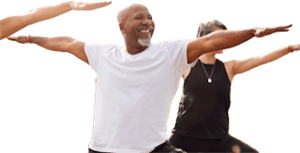
Flexibility work through gentle stretching, yoga, or chair-based movements preserves joint range of motion and eases stiffness. These routines support mobility and quality of life in later years.
2. Building a Balanced, Nutrient-Dense Diet
As nutritional needs change with age, choosing the right macro and micronutrients supports bone, heart, and brain function. A nutrient-dense diet builds resilience and vitality. You can also work with a lifestyle medicine center or a lifestyle physician to identify gaps and consider high-quality supplements as needed.
Key Nutrients by Age
Children and Adolescents
• Calcium and vitamin D support growing bones.
• B vitamins and iron aid energy production and cognitive development.
Adults
• Lean protein and healthy fats help maintain muscle mass and metabolic balance.
• Whole grains and fiber promote stable blood sugar levels and heart health.
Older Adults
• Protein needs rise to preserve muscle and mobility, supporting overall health.
• Omega-3 and antioxidants protect heart and brain function.
Simple Meal Prep Strategies
Batch cooking whole grains like brown rice and quinoa saves time and ensures ready-to-eat staples. Roast a mix of vegetables and portion them for quick meals. Prepare grab-and-go snack packs with nuts, seeds, and fresh fruit to avoid processed options and keep energy levels steady.
Hydration and Gut Health
Proper hydration supports digestion and nutrient absorption. Aim for 8 to 10 cups of fluid daily, meeting most needs with water and water-rich fruits. Including prebiotic foods such as beans, leafy greens, and whole grains promotes a balanced microbiome. Spread fluids and fiber sources throughout the day for consistent energy and regularity.
3. Prioritizing Mental Health and Stress Relief
Emotional resilience underpins overall health at every age. With one in four people facing mental health challenges, building coping skills is essential. Simple mindfulness exercises, brain-stimulating activities, and social engagement can reduce stress, boost mood, and strengthen support networks.
Mindfulness and Meditation
Cultivating awareness can lower stress hormones and improve emotional regulation.
Core Techniques
• Breath Awareness: Focus on each inhale and exhale for five minutes.
• Body Scan: Move attention through muscle groups, noting tension and release.
• Loving-Kindness: Send positive intentions to yourself and others.
Relaxation Exercises
• Progressive muscle relaxation
• Guided imagery or self-hypnosis
• Deep breathing drills
Cognitive Stimulation
Challenging your brain enhances neuroplasticity and distracts from negative thoughts. Try brain games like dual n-back or puzzles, memory drills such as list recall and pattern matching, and gratitude journaling to reinforce positive emotions.
Fostering Social Connections
Strong social ties act as protective factors against stress, improving overall health. Schedule regular check-ins with friends or family, join community groups or peer support programs, and volunteer or participate in intergenerational activities to strengthen bonds and boost resilience.
4. Leveraging Preventive Healthcare and Screenings
Regular preventive care and screenings are key to early detection and better outcomes. Working with your primary care provider or a lifestyle medicine doctor, you can customize a schedule of exams, lab tests, and vaccines to fit your family history and health goals.
Annual Physical Exams
An annual physical exam establishes a health baseline and uncovers early signs of conditions like hypertension or diabetes. Comprehensive checks may include mental health, sleep, and nutrition assessments. Reviewing these factors with a lifestyle physician can guide lifestyle medicine interventions and improve health markers.
Age-Specific Screenings
Cholesterol and Blood Pressure
Routine blood lipid panels and blood pressure checks start in early adulthood to manage cardiovascular risk and maintain overall health.
Cancer Screenings
Pap tests begin at age 21 and repeat every three to five years. Annual mammograms are generally recommended for women starting at age 40, or as advised by your doctor.
Bone Density for Older Adults
Postmenopausal women and men over 70 should consider bone density scans (DEXA) to detect osteoporosis and guide bone-strengthening strategies.
Vaccination Schedule
• HPV vaccine before age 26, with catch-up to 45
• Annual flu shots for all adults
• Tdap boosters every 10 years and during pregnancy
Staying current with vaccinations helps prevent serious illness and supports long-term wellness.
5. Mastering Sleep Hygiene for Restorative Rest
Quality sleep supports hormone balance, cellular repair, and overall health. Sleep cycles alternate between non-rapid eye movement (NREM) and rapid eye movement (REM) stages roughly every 90 minutes. Melatonin signals sleep onset, while cortisol supports daytime alertness. Aligning daily habits with this rhythm helps you achieve 7 to 9 hours of uninterrupted rest and feel refreshed.
Consistent Sleep Schedule
• Wake up and go to bed at the same time daily
• Anchor your circadian rhythm by getting natural morning light
• Avoid long or late naps that can disrupt nighttime sleep
Optimize Your Sleep Environment
• Keep the bedroom cool (60–67°F) and dark
• Choose a supportive mattress and pillows
• Minimize noise with earplugs or a white noise machine
Limit Technology Before Bed
• Unplug screens 30 minutes before bedtime
• Dim lights to encourage melatonin production
• Replace devices with a calming pre-sleep routine, such as reading or gentle stretching
6. Integrating Lifestyle Medicine Principles
Integrating lifestyle medicine transforms care by addressing root causes rather than treating symptoms alone. At a lifestyle medicine center, a lifestyle medicine doctor or lifestyle physician can guide you to sustainable changes that improve health and overall well-being.
What Is Lifestyle Medicine?
According to the American College of Lifestyle Medicine, this clinical specialty uses evidence-based interventions to prevent, treat, and often reverse chronic conditions through lifestyle medicine. It rests on six core pillars:
• Nutrition: Emphasize a whole-foods, plant-rich diet to reduce inflammation
• Physical Activity: Aim for at least 150 minutes of moderate exercise weekly
• Restorative Sleep: Prioritize 7 to 9 hours of quality sleep per night
• Stress Management: Use breathing exercises and meditation
• Social Connection: Build supportive relationships for well-being
• Substance Abuse Avoidance: Limit alcohol and avoid tobacco
Finding a Qualified Practitioner
Search online directories at a lifestyle medicine center or through professional organizations to locate board-certified or ACLM-credentialed lifestyle medicine doctors. Review credentials, read practitioner content, and schedule a consultation in person or via telehealth. A thorough initial assessment will help you create a personalized plan to improve your health using lifestyle medicine principles.
7. Harnessing Technology and Community Support
Leveraging technology and community support can boost accountability, motivation, and long-term success. Combining digital tracking with face-to-face or virtual networks helps you stay motivated and on track.
Top Wellness Apps and Trackers
Wellness apps and trackers can simplify goal tracking. MyFitnessPal logs meals and macros, Apple Health aggregates data from multiple sources, and Fitbit tracks steps, sleep, and heart rate. Wearables like Apple Watch, Fitbit Charge, or WHOOP monitor activity trends and recovery. Habit-tracking apps such as Habitica or Streaks use gamification to reward consistency. Regular check-ins can reinforce progress.
Community Fitness and Support Networks
Joining local or online communities adds social accountability. Yoga, spin classes, martial arts, and community sports leagues provide structure and peer support. Platforms like Strava or Facebook groups connect you for virtual challenges or tips. Family activities, weekend hikes, cooking nights or garden projects build healthy habits and social bonds. Mix in local charity events for deeper engagement.
About the Author

Sarah Young holds a Bachelors in Marketing Communications from California Lutheran University. She enjoys running her website glitternglue.com where she can share her own and others thoughts on lifestyle tips! During her spare time, she enjoys going to the beach with her dog or painting nature murals.
Leave Comment