
Through a philanthropy group, I’m connected to an organization that provides emancipated foster youth with housing and emotional support. Emancipated foster youth are young adults from the ages of 18 to 26 who have aged out of the foster care system. One of their counselors asked me to teach her clients about journaling. She felt that an online face-to-face workshop would encourage them to use journaling as a way to boost their self esteem and work through their personal challenges.
The first thing I did was to purchase some attractive journals in several colors. Each journal was lined and had an oak tree embossed on the front. I sent them to the counselor to give to her clients before the workshop. Then, I developed a workshop to explain the benefits of journaling, journaling basics, protecting a journal’s privacy, and how to come up with topics.
Benefits of Journaling
Robin Sharma, a Canadian writer and leadership expert claims that “Writing in a journal reminds you of your goals and of your learning in life. It offers a place where you can hold a deliberate, thoughtful conversation with yourself.” Taking the time to think about individual goals and to write them down boosts self-esteem because it helps people gain clarity about their lives. Journaling also helps a person sort out their thoughts and feelings, which is important for people, such as emancipated foster youth, who need to process negative experiences so they can move beyond them. In addition, journaling promotes mindfulness because recording thoughts onto paper helps journalists to focus. People who journal also become more creative through the process of writing thoughts down in clear language, and they enhance their memory through the practice of recalling experiences. Finally, the ability to express thoughts and feelings helps to reduce stress which leads to lower blood pressure, improved sleep, and better mental health.
Journaling Basics
Not everyone automatically knows how to make journaling a successful part of life. I’ve been journaling for years, and I’ve adopted the following behaviors to encourage myself to journal on a regular basis. First of all, I buy myself journals that are beautiful, so I feel good when I open them and write my thoughts inside their pages. This is why I purchased attractive journals for the emancipated foster youth who attended my workshop. I wanted them to have a special place to store their words and emotions. In addition, I use a handsome pen, but I don’t worry about having to cross out words or sentences. In other words, I don’t try to make my journal perfect. Nobody is going to read it except me. I’m the only person I have to please.
To get the most benefit, people make journaling a regular habit. Some people write in their journals first thing every morning for ten or fifteen minutes. Others make journaling a part of their night routine. Frequent journaling helps people build confidence and become more proficient at recalling their feelings and writing them down.
It’s important to find a place to write where there are no distractions—no text messages, emails, conversations, videos or televisions that pull a person’s attention away from writing. Most of the time, I write in my journal when I’m alone in my home office. I don’t share what I’m doing with anyone since I don’t want anyone to become curious about what I’m writing.
Protecting a Journal’s Privacy
One of the most important things to consider with journaling is protecting the journal’s privacy. Privacy is important so that a person is not afraid to express themselves freely.
I don’t discuss my journal with anyone, not even my family members, and I don’t tell anyone where I keep it. Many people store their journals in a locked drawer, closet, or filing cabinet. Some use a journal with a lock on it. Others write a warning on the first page such as, “Do not read. This is a private journal.”
Ideas to Write About
The hardest part of journal writing is how to start writing. Here are some ideas for how to make that easier. Write the date on the first line. Skip the first page and start writing on the second page. Write down that there are no rules for journaling. Finally, start small. The first day, draw a picture or write just one sentence or half a page.
Here are more ideas to launch your journal writing. Search the internet for a quote, write it on the top of the page, and comment on it. Describe a dream that you once had. Think about a happy moment you’ve experienced. Write a letter to yourself or someone else. Create a song about yourself. Make a list of goals. Tell a story about yourself. Write like you’re talking to a family member, friend, or to your three-year-old self. List what you want. Pretend you’re in a therapy session. Describe your values. One of my favorite topics for journaling is to jot down affirmations or list what I’m grateful for.
Another way to stimulate ideas for journal writing is to write a question at the top of the page, and then answer it. Here are some examples. What do I want to be today? Where do I want to be? What is most important to me today? Who is most important to me today? Who am I? (Answer this question without describing your physical characteristics). Who do I trust most, and why? What are three of my personal strengths? What do I value most in relationships? What boundaries could I set in my relationships to safeguard my own well-being? What three important things have I learned from previous relationships? Or, create your own question.
Using journaling prompts is also a great way to generate ideas for journaling. You can ask a trusted friend for one or find one on the internet. Here’s a site that offers prompts about self-reflection, uncomfortable emotions, living the best life, personal growth, and life goals: https://psychcentral.com/blog/ready-set-journal-64-journaling-prompts-for-self-discovery#the-journal-prompts.
Some people who are enthusiastic about journaling form journaling groups to get topic ideas and time to write. Such groups can be small or large, diverse or not. The first step is to invite people to join the group. Second, find a safe place to meet on a regular basis: once a week, once a month, or however often group members wish. During the first meeting, members can brainstorm for topics and then organize them for future meetings. Then, the group can establish what they will accomplish during each session. For example, if the group meets for 1 hour, 15 minutes might be for socializing, 10 minutes for explaining the topic and coming up with ideas for it, 20 minutes for private writing, and 15 minutes for optional sharing of journals or feelings.
In Conclusion
Some of the emancipated foster youth who took my workshop are still writing in their journals a year later, and my counselor friend has just asked me to teach another workshop for more youth. Word has circulated among them that journal writing is both enjoyable and beneficial.
A journal’s purpose is not just to freely express oneself, but to create pathways to a better self. Journal writing promotes deeper thinking which can lead to visualization, dreaming, and self-awareness. pathways to self-discovery and expansion.
About the Author-Tess Perko
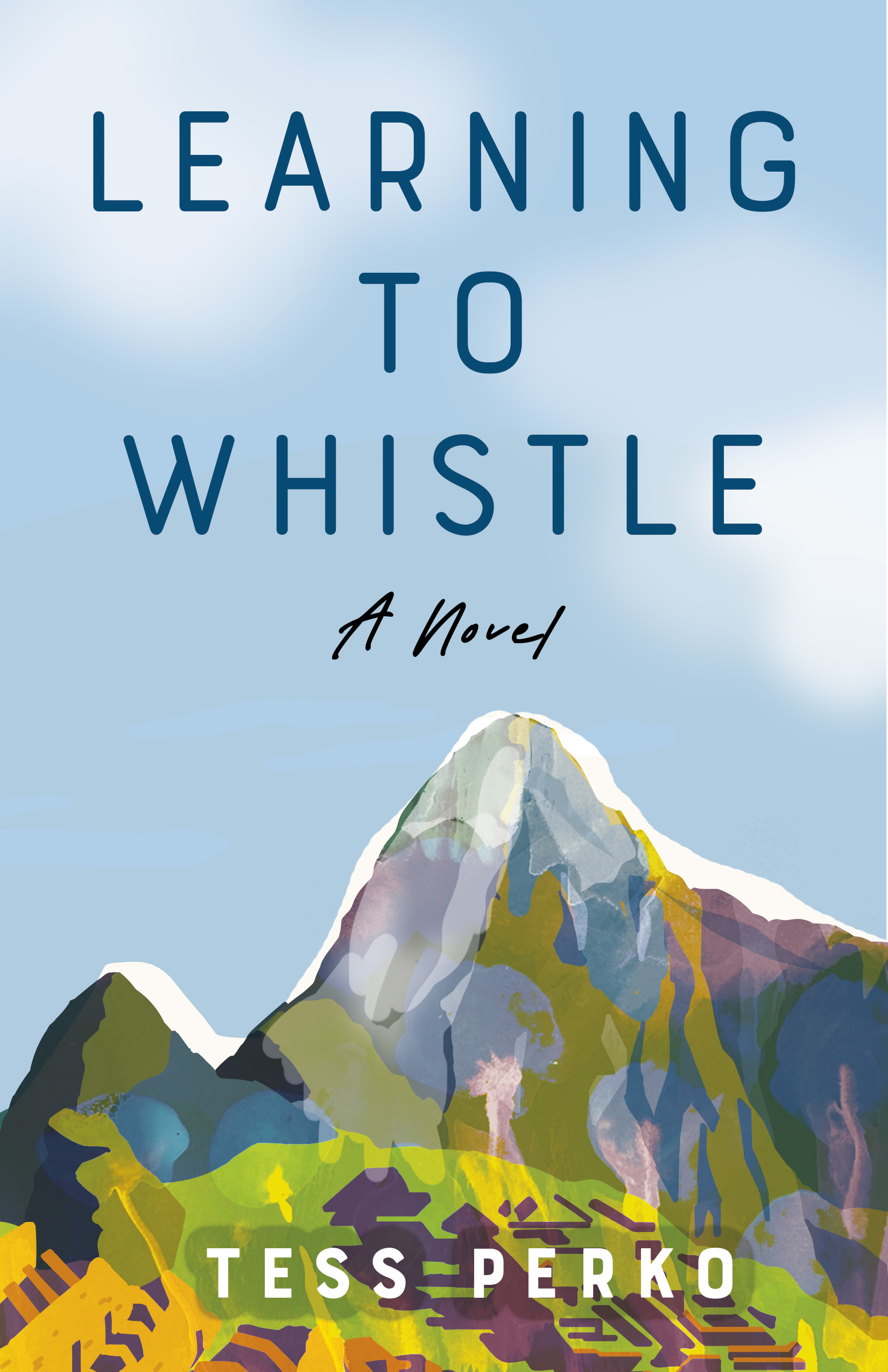
Tess’s debut novel, Learning to Whistle: A Novel, will be published by She Writes Press in April, 2026.
In 2025 and 2024, the General Federation of Women’s Clubs Creative Arts Contest awarded Tess First Place for her short stories “Park Avenue Romance” and “Rain.” Her short fiction has appeared in Grigg’s Anthology: Joe Bellino’s Thighs, Grigg’s Anthology: Daylight Song, and Alamo Women’s Club The Leaf. Running Deer Press of Santa Cruz and the Danville Area Cultural Alliance Society of Poets have published her poetry.
When Tess is not writing, she raises money for scholarships for college and vocational students, teaches essay and journaling workshops to emancipated foster youth, studies Spanish, and grows beautiful roses.
Tessperko@Substack.com
Blog: https://wordpress.com/home/tess-perk-o.blog
Facebook: https://www.facebook.com/Tttesss
Leave Comment