
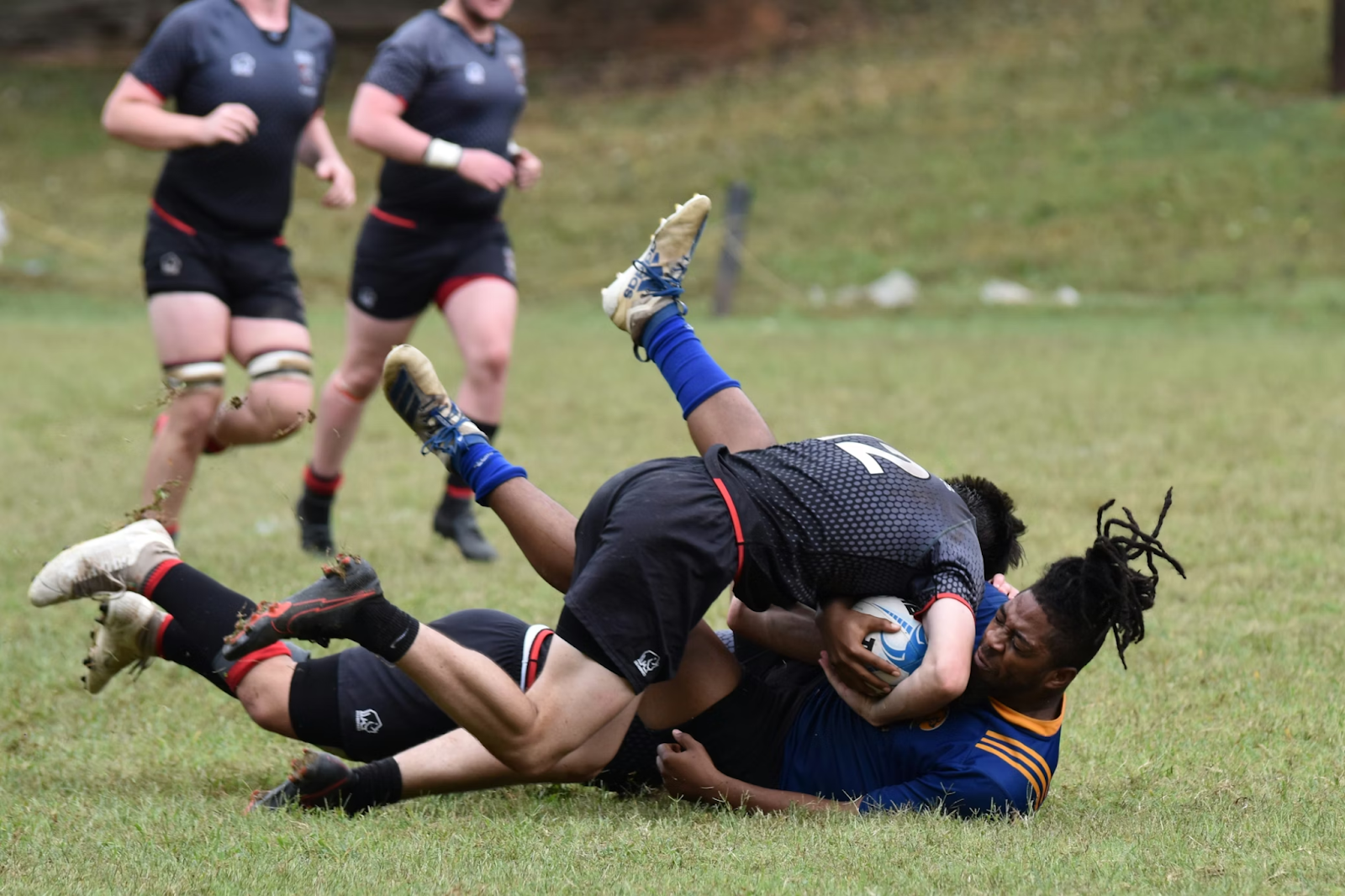
College is often described as a turning point. It is a period when students begin determining the most suitable path for them — academically or professionally.
For student-athletes, the journey becomes even more complicated. They have to manage a strict training schedule. And even when they’re physically exhausted from practice, they still have a pile of academic work waiting for them. To top all of that, they have to deal with the transition to adulthood.
What determines how smoothly they navigate this phase isn’t a simple dichotomy of talent versus discipline. In fact, the environment might arguably play a bigger role — much bigger than we expect.
A balanced college environment, one that values both athletic and academic development, supports students in a way that allows them to succeed in multiple areas of life. When schools consciously create this kind of balance, students grow not only as competitors but as grounded and capable individuals.
The Strength of a Unified Academic and Athletic Culture
Some institutions treat academics and athletics as two separate paths. Balanced colleges take a different approach. They design systems where these two areas support each other. Academic services are shaped with student-athletes in mind. Faculty understand training schedules. Coaches encourage both classroom success and athletic performance.
When schools create this kind of environment, students will not feel forced to choose between their sport and their education. Instead, they experience a culture that respects both roles equally. When that happens, students feel more secure in their daily routines and more confident in their ability to thrive in both settings.
Both small and meaningful, the impact of this on students’ motivation to attend classes is often understated. They participate with greater focus during training. They build healthier habits for coping with pressure-cooking environments. Burnout becomes less common, and students begin to see themselves as capable of managing a broad range of challenges.
The Role of Community in Student Growth
A balanced college environment does more than blend academics and athletics. It provides students with the community support they need to grow confidently.
When students know they have professors, advisors, coaches, teammates, and peers who want them to succeed, they develop a deeper sense of belonging. This kind of culture is often described as one where a supportive campus strengthens student confidence, well-being, and engagement.
Athletics as a Foundation for Lifelong Skills
Balanced college environments treat athletics not as a mere competition, but as a natural training ground for real-life skills. These skills support students academically and prepare them for future careers, relationships, and adult responsibilities.
Teamwork and Collaboration
Athletes learn how to communicate, collaborate, and resolve conflict with others. These skills are transferable. They allow them to collaborate more easily in group projects, stay confident while assuming leadership roles, and adapt smoothly to professional settings.
Time Management
Student-athletes typically have packed schedules involving early morning practices, classes, travel, and other personal responsibilities. Given this load, strict planning is necessary. From these experiences, students begin to understand the value of time, how to use their time intentionally, and how to meet multiple commitments without veering off course.
Resilience and Stress Management
Sports expose students to setbacks. Losses, errors, bench time, and injuries — these are all inevitable when one is involved in sports. What they have in common is that they teach the value of resilience.
A balanced environment helps students process these challenges in a healthy way and develop strategies that support long-term mental well-being. Colleges often encourage reflective habits, such as journaling, which can help students stay grounded and more aware of how they respond to stress.
Leadership Development
Athletes often step into leadership roles, whether as team captains or as the dependable teammate others look up to. When they take these roles, they learn how to motivate peers, offer feedback, and become a role model. These are skills that stay even after graduation.
When colleges value athletics as a tool for self-improvement, students begin to see their sports experience as something far greater than a season of competition.
Why Balance Matters for Today’s Students
Students today face increasing academic pressure. There is also a rise in s mental health challenges. Social expectations can also be quite overwhelming.
Student-athletes often experience this even more deeply because they constantly feel the need to perform for plenty of people: coaches, faculty, teammates, and sometimes even family.
Without a balanced environment, students will not be able to manage these pressures in a healthier way. This kind of environment teaches them that they are not reduced to a number, whether that be their grades or athletic statistics. It encourages them to explore interests, embrace personal growth, and take ownership of their well-being.
Final Thoughts
To genuinely support student growth, colleges must recognize that development does not necessarily have to happen in one area. Students can thrive in academics and athletics simultaneously, while working together with their community for some structure and encouragement.
When the environment is balanced, student-athlets are given a space to push themselves further, rise above setbacks, and discover strengths that go beyond the field. When colleges commit to creating this kind of environment and culture, they help shape graduates who are not only skilled and knowledgeable, but also confident and primed for success in whatever path they choose.
About The Author

Edrian Blasquino a college instructor turned wordsmith, with a passion for both teaching and writing. With years of experience in higher education, he brings a unique perspective to his writing, crafting engaging and informative content on a variety of topics. Now, he’s excited to explore his creative side and pursue content writing as a hobby.Edrian is a college instructor turned wordsmith, with a passion for both teaching and writing. With years of experience in higher education, he brings a unique perspective to his writing, crafting engaging and informative content on a variety of topics. Now, he’s excited to explore his creative side and pursue content writing as a hobby.
Leave Comment